

As a supplier of Mesh Net for Garage Door, I've been frequently asked about the heat transfer rate through the mesh net. This is a crucial topic, especially for those looking to balance ventilation and temperature control in their garages. In this blog, I'll delve into the science behind heat transfer through a garage door mesh net, its implications, and how our products at [Our Company] can offer optimal solutions.
Understanding Heat Transfer
Before we discuss the heat transfer rate through a mesh net for garage doors, it's essential to understand the basic principles of heat transfer. There are three main mechanisms of heat transfer: conduction, convection, and radiation.
Conduction is the transfer of heat through a material due to a temperature gradient. It occurs when molecules in a warmer part of the material transfer their kinetic energy to adjacent molecules in a cooler part. For example, when you touch a hot metal rod, heat is conducted from the rod to your hand.
Convection involves the transfer of heat by the movement of a fluid (liquid or gas). In the context of a garage, warm air rises and cool air sinks, creating a natural convection current. If there is an opening in the garage, such as a mesh net on the door, air can flow in and out, carrying heat with it.
Radiation is the transfer of heat through electromagnetic waves. The sun radiates heat, which can be absorbed by objects on Earth, including garage doors and their mesh nets.
Heat Transfer Through a Mesh Net
The heat transfer rate through a mesh net for a garage door is influenced by several factors. Firstly, the material of the mesh net plays a significant role. Different materials have different thermal conductivities, which determine how easily heat can pass through them. For instance, a metal mesh may conduct heat more readily than a plastic or fiberglass mesh.
The porosity of the mesh net also affects heat transfer. A mesh with a higher porosity allows more air to flow through, increasing the rate of convective heat transfer. However, it also means that more solar radiation can penetrate the net, potentially increasing the heat gain inside the garage.
The size and shape of the mesh openings are important. Larger openings generally result in higher air flow rates, which enhance convective heat transfer. But they may also allow more insects and debris to enter the garage.
Let's consider the convective heat transfer through a mesh net. The rate of convective heat transfer (Q) can be calculated using the following formula:
Q = h * A * ΔT
Where h is the convective heat transfer coefficient, A is the surface area of the mesh net, and ΔT is the temperature difference between the inside and outside of the garage.
The convective heat transfer coefficient (h) depends on factors such as the air velocity, the properties of the fluid (air), and the geometry of the mesh. A higher air velocity will generally increase the value of h, leading to a higher rate of heat transfer.
Implications of Heat Transfer Through a Mesh Net
Understanding the heat transfer rate through a mesh net for a garage door has several practical implications. For those living in hot climates, a high heat transfer rate may result in excessive heat gain inside the garage, which can damage stored items or make the space uncomfortable to use. In such cases, a mesh net with a lower heat transfer rate may be preferred.
On the other hand, in cooler climates, a higher heat transfer rate can be beneficial as it allows for better ventilation and can prevent moisture buildup, which can lead to mold and mildew growth.
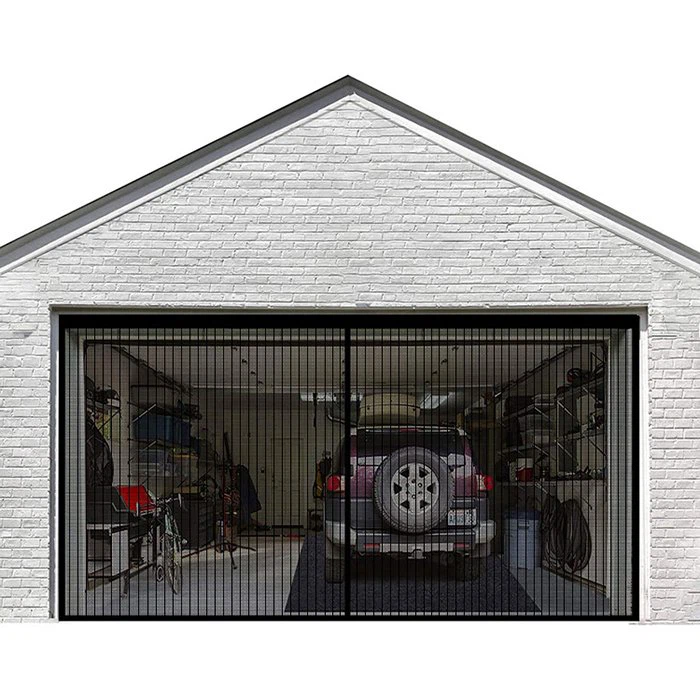
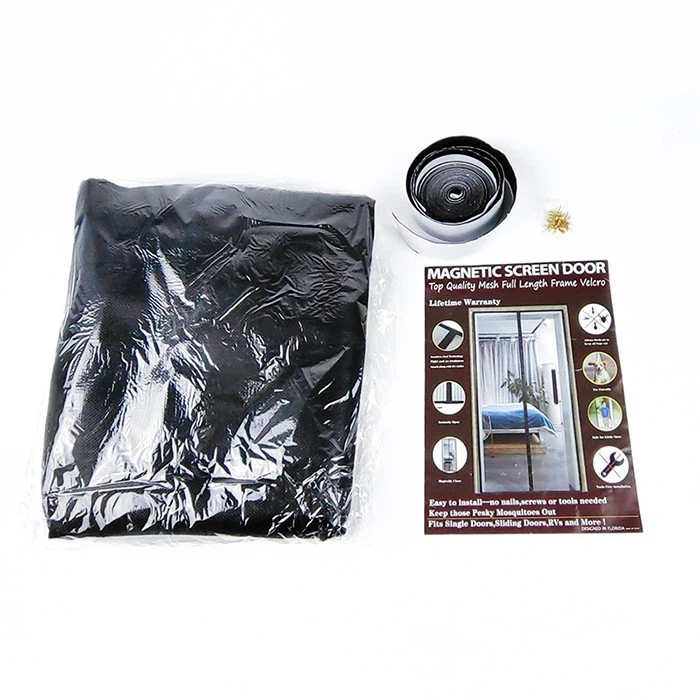
Our Mesh Net Products
At [Our Company], we offer a wide range of Mesh Net for Garage Door products designed to meet different needs. Our mesh nets are made from high - quality materials that are carefully selected to optimize the heat transfer rate.
For example, our Garage Door Window Screen is made from a special fiberglass mesh that has a relatively low thermal conductivity. This helps to reduce the amount of heat transferred through the mesh, keeping the garage cooler in hot weather. At the same time, the mesh has a suitable porosity and opening size to allow for good ventilation.
Our Screen Door for Your Garage Door is another popular product. It features a unique design that not only controls heat transfer but also provides excellent protection against insects and debris. The mesh is tightly woven to prevent small insects from entering, while still allowing for sufficient air flow.
Factors Affecting the User's Choice
When customers are choosing a mesh net for their garage door, they often consider the following factors in addition to the heat transfer rate.
Aesthetics: The appearance of the mesh net matters. Our products come in a variety of colors and styles to match different garage door designs. Whether you have a modern or traditional garage, we have a mesh net that will blend in seamlessly.
Durability: A garage door mesh net needs to withstand various weather conditions. Our mesh nets are made from durable materials that are resistant to UV rays, moisture, and rust. This ensures a long - lasting performance and reduces the need for frequent replacements.
Ease of Installation: We understand that customers want a hassle - free installation process. Our mesh nets are designed to be easy to install, with clear instructions provided. Even those with limited DIY skills can install our products quickly and easily.
Contact Us for Purchase and Consultation
If you're interested in learning more about the heat transfer rate through our mesh nets or are considering purchasing a Mesh Net for Garage Door, we're here to help. Our team of experts can provide you with detailed information about our products and assist you in making the right choice for your garage.
Whether you have questions about the technical specifications, the installation process, or the best product for your specific climate and needs, don't hesitate to reach out. Contact us today to start a conversation about how our mesh nets can enhance your garage experience.
References
- Incropera, F. P., & DeWitt, D. P. (2002). Fundamentals of Heat and Mass Transfer. John Wiley & Sons.
- Holman, J. P. (2002). Heat Transfer. McGraw - Hill.